
A Comprehensive Guide for Choosing Air Compressor
Selecting the right air compressor for your needs can significantly impact the efficiency and reliability of your operations. Whether you’re looking for an air compressor for home use, automotive repair, construction, or industrial applications, this guide will help you make an informed decision.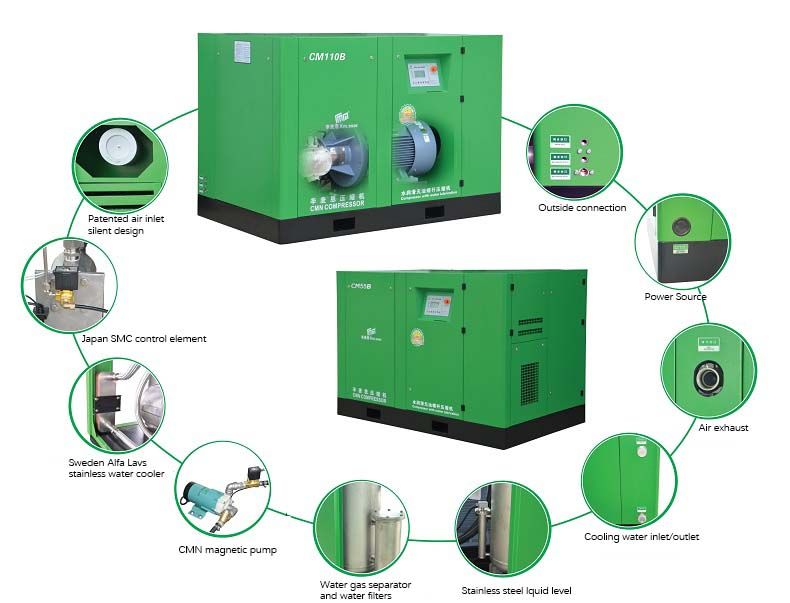
1. Understand Your Application Needs
Before choosing an air compressor, consider the following factors:
1.1 Purpose of Use
- Home Use: Painting, inflating tires, cleaning, etc.
- Automotive: Brake bleeding, tire inflation, air tools.
- Construction: Nail guns, spray painting, sandblasting.
- Industrial: Manufacturing, processing, mining.
1.2 Type of Work
- Light Duty: Occasional use, small projects.
- Medium Duty: Regular use, medium-sized projects.
- Heavy Duty: Continuous use, large-scale projects.
2. Determine Required CFM and PSI
2.1 CFM (Cubic Feet per Minute)
- CFM: Measures the volume of air delivered at a given pressure.
- Calculate CFM: Consider the CFM requirements of the tools you plan to use.
- Example: If you need to run a tool that requires 5 CFM at 90 PSI, ensure your compressor can deliver at least that much.
2.2 PSI (Pounds per Square Inch)
- PSI: Measures the pressure of the compressed air.
- Determine PSI: Check the minimum and maximum pressure requirements of your tools.
- Example: For pneumatic tools that require 90 PSI, choose a compressor that can consistently deliver at least 90 PSI.
3. Select the Right Type of Compressor
3.1 Reciprocating (Piston) Compressors
- Features: Suitable for intermittent use, lower cost.
- Uses: Home DIY projects, small workshops.
3.2 Rotary Screw Compressors
- Features: Ideal for continuous use, higher efficiency, quieter operation.
- Uses: Construction sites, manufacturing facilities, heavy-duty applications.
3.3 Centrifugal Compressors
- Features: Very high capacity, efficient at high volumes.
- Uses: Large industrial applications, process industries.
3.4 Portable vs. Stationary Compressors
- Portable Compressors: Lightweight, easy to move around.
- Stationary Compressors: Larger, more powerful, not meant to be moved frequently
4. Consider the Power Source
4.1 Electric Compressors
- Features: Quieter, cleaner operation.
- Uses: Indoor use, home workshops, light to medium duty applications.
4.2 Gasoline/Petrol Compressors
- Features: More portable, suitable for remote locations.
- Uses: Outdoor construction sites, heavy-duty applications.
5. Evaluate Additional Features
5.1 Noise Level
- Considerations: Lower noise levels are preferable for residential areas or indoor use.
5.2 Durability and Maintenance
- Considerations: Look for durable construction and easy maintenance requirements.
5.3 Tank Size
- Considerations: Larger tanks store more air, allowing longer tool operation between cycles.
5.4 Portability
- Considerations: Wheels, handles, and lightweight design for easy transport.
6. Budget and Brand Reputation
6.1 Budget
- Considerations: Determine your budget and find the best value within that range.
6.2 Brand Reputation
- Considerations: Research brands known for reliability and good customer service.
7. Warranty and Support
7.1 Warranty Period
- Considerations: Longer warranties indicate confidence in product quality.
7.2 Service Availability
- Considerations: Ensure local service centers are available for maintenance and repairs.
8. Final Thoughts
Choosing the right air compressor involves understanding your specific needs and considering the factors outlined above. By carefully evaluating your application, required CFM and PSI, type of compressor, power source, additional features, budget, and warranty, you can select an air compressor that meets your requirements and ensures optimal performance.
Special Consideration: Oil-Free Screw Air Compressors
For applications that require extremely clean and dry compressed air, such as medical facilities, food processing plants, and pharmaceutical manufacturers, we highly recommend our oil-free screw air compressors. These compressors offer several advantages: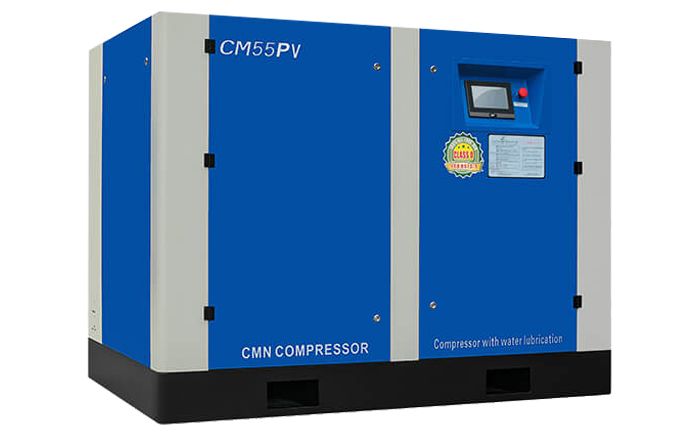
8.1 Advantages of Oil-Free Screw Air Compressors:
- Clean Air Supply: No oil contamination means cleaner air for sensitive applications.
- High Efficiency: Advanced technology ensures high efficiency and reduced energy consumption.
- Low Maintenance: Fewer moving parts mean less maintenance and lower operational costs.
- Reliable Performance: Durable construction ensures long-lasting performance.
- Quiet Operation: Reduced noise levels make them ideal for environments requiring minimal noise.
8.2 Key Features:
- Efficient Two-Stage Compression: Ensures optimal performance and efficiency.
- High-Quality Components: Robust materials and precision engineering for durability.
- Advanced Controls: Intelligent controls for seamless operation and monitoring.
- Easy Access for Maintenance: Simplified design for quick and easy maintenance.
8.3 Applications:
- Medical Facilities: Oxygen generation, breathing apparatus, and sterilization processes.
- Food Processing: Packaging, bottling lines, and pneumatic conveyance systems.
- Pharmaceuticals: Sterile air for laboratories, tablet pressing machines, and packaging equipment.
- Chemical Industries: Process control, pneumatic conveying, and instrument air.